Jessie: In NH where the black flies have returned with a vengence!
I am delighted to welcome Kim to the Wickeds today! She was introduced to me by Julia Spencer-Fleming, so you know she is a delight! Take it away, Kim!
The Swiss and their “Globules”
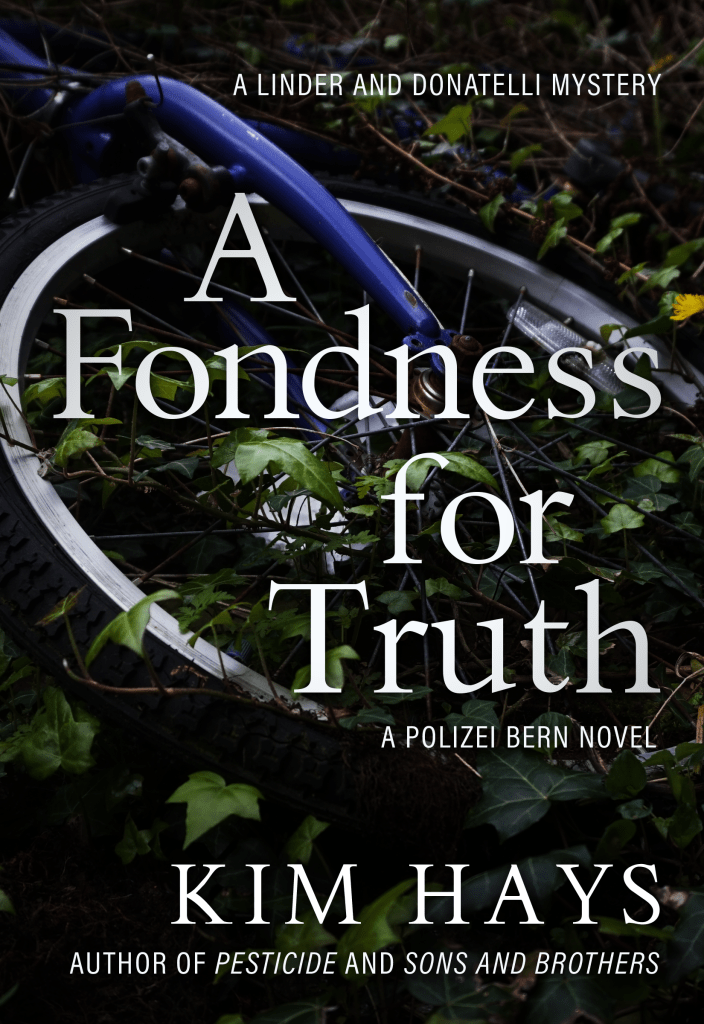
Thanks for hosting me, Jessica, and thank you, Wickedwriters and readers, for letting me tell you something about myself and my third police procedural, A FONDNESS FOR TRUTH.
I grew up with a mother who was a librarian; in those days,long before Google, she loved reference books. From the story of Henry VIII’s six wives to the Celtic roots of Halloween, she made random facts enjoyable. If my sister or I had a challenging question, she’d show us how to find the answer in an encyclopedia or dictionary.
So, it’s not surprising that one of the reasons I write books is to research answers to intriguing questions. I’ve turned to mystery writing for many reasons, including a love of good stories, a fascination with moral dilemmas, and a yearning to introduce my American countryfolk to my adopted city of Bern, the Swiss capital. But another of my aims has been to reveal odd facts about Switzerland: for example, its use of children as forced labor on farms until 1970 or the unexpected importance of the military in a country that has been neutral since 1515.
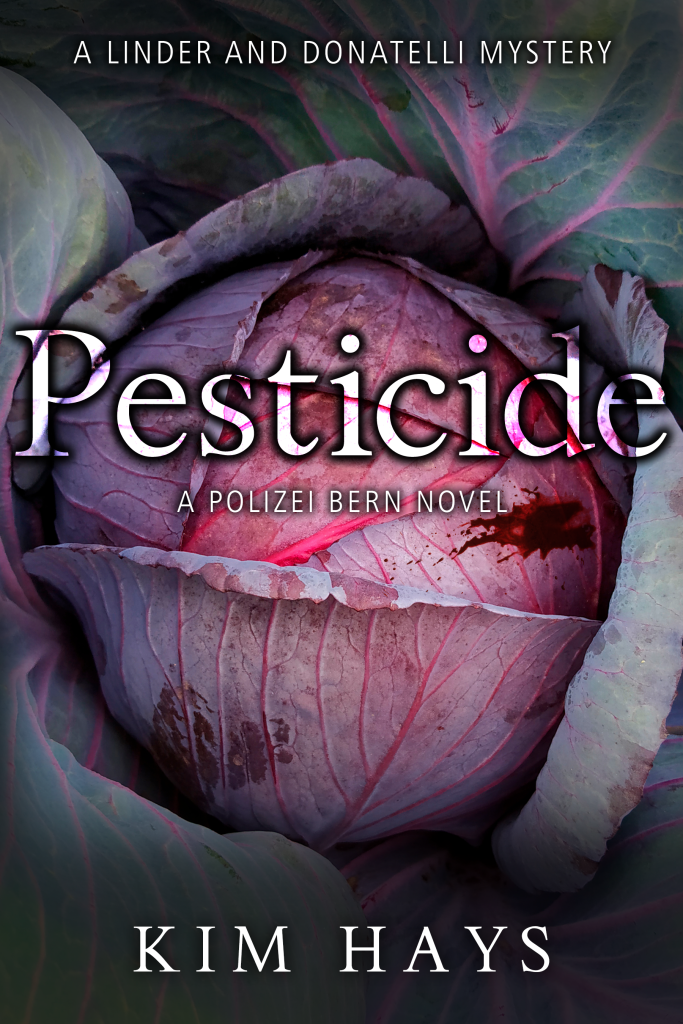
The first book in my Polizei Bern series featuring police detectives Linder and Donatelli is PESTICIDE (2022), which gave me a rationale for learning how organic farms are certified. In the course of examining whether a young man drowned his bullying father, the second book in the series, SONS AND BROTHERS (2023), takes a look at how Bern’s crucial medieval guild system evolved into a set of elite clubs for the city’s great patrician families. In A FONDNESS FOR TRUTH, which just came out, my detectives investigate the hit-and-run death of a lesbian activist whose partner is convinced she was murdered. That’s plenty of material to work with, but I couldn’t resist adding the controversial subject of alternative medicine.
My husband, our son, and I have Swiss health insurance, which is required, private, and expensive. I was amazed to discover that even the cheapest, most basic health policy covers several alternative therapies, including Rudolf Steiner’s anthroposophic theories, traditional Chinese medicine, phytotherapy—which uses only plants as medicine—and homeopathy. All these, and many more non-science-based medical treatments, are popular in Switzerland.

I find the claims of some alternative medicine practicesdubious, but the wackiest by far is homeopathy. Its ideas date back to the theories of a German “doctor” born in 1755 who believed, among other things, that eating walnuts would heal your brain because a walnut resembles a brain and eating kidney-shaped beans would cure your kidneys. He was also convinced that a substance that causes a disease in a healthy person should cure the same disease in a sick person.
Finally, he was persuaded that whatever spiritual healing power a substance has will be enormously increased if that substance is diluted countless times in water using a ritualized form of shaking. His theories led him to create a series of tiny pills or “globules” made from infinitesimally diluted poisonous substances. Patients could take them to heal almost any ailment. The same stuff is still in use today. In fact, by 2028, the global market for homeopathic products is expected to be worth $15.52 billion.
So what, you may say. If these sugar-based globules laced with diluted drops of poison make some people feel better and do no actual harm, why shouldn’t they be sold?
Well, I don’t think much of duping the sick into spending their money on something as ludicrous as these little pills, nor do I approve of treatments based on sympathetic magic forcing up the cost of already expensive health insurance. But I know people who disagree. What do you think about sales of homeopathic remedies, and how do you feel about alternative therapies in general?
Oh, yes. I forgot to say I hope you’ll read A FONDNESS FOR TRUTH! To my delight, William Kent Krueger called it “an absolutely riveting mystery.”
Readers, do you have faith in alternative medicine?
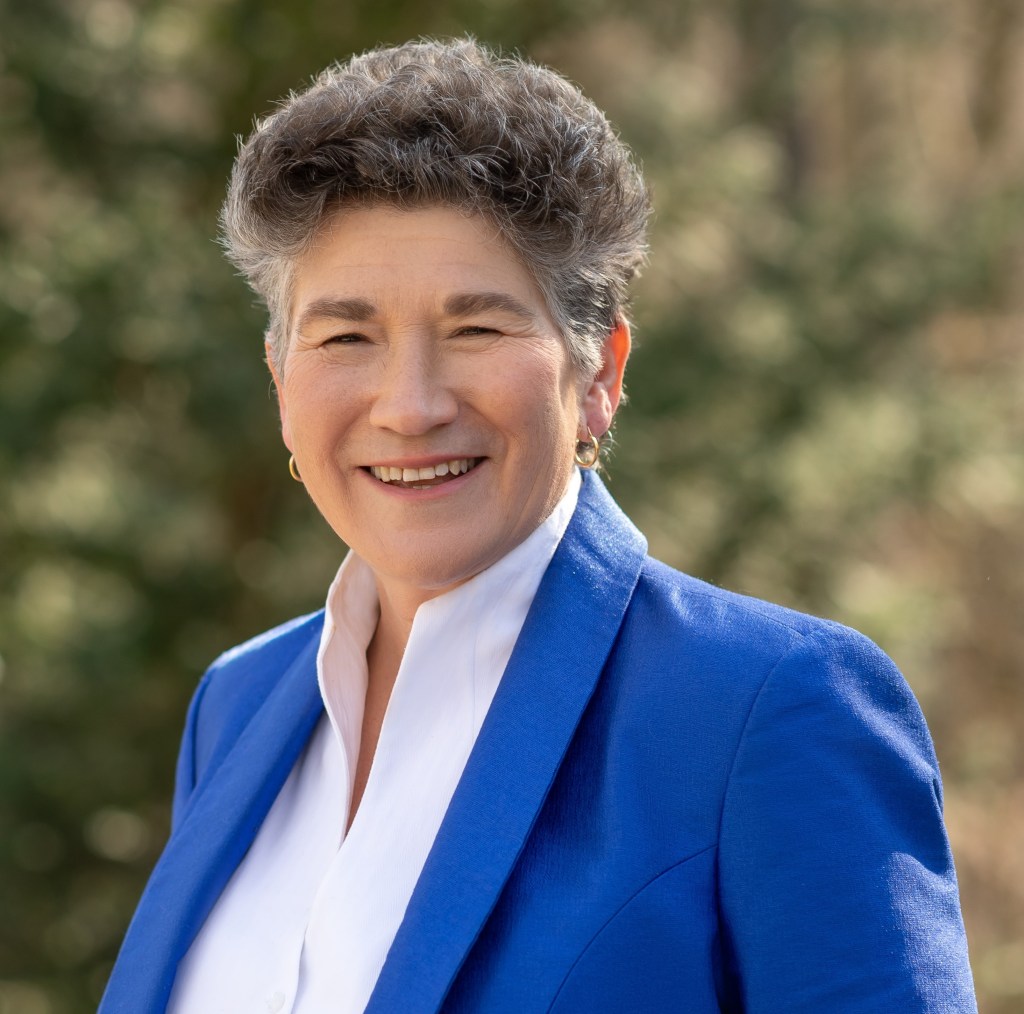
Kim Hays, a citizen of Switzerland and the United States, has made her home in Bern for thirty-six years since marrying her Swiss husband. She’s the author of three books in the Polizei Bern series featuring Giuliana Linder and Renzo Donatelli:PESTICIDE, SONS AND BROTHERS, and the newest, A FONDNESS FOR TRUTH. Learn more about Kim and her books at www.kimhaysbern.com.


Waving hi to my friend Kim! Homeopathy – I live with a believer, but I don’t practice it myself. I give Asian medicine a lot more credit, however, and I think our Western medicine approach lacks a lot – and clearly doesn’t have all the answers.
My father was like your mom, stocking our home with reference volumes, and teaching us how to use them.
Congratulations on the new book! I’m looking forward to reading it.
LikeLike
I’m waving back, Edith, and thanks for your congratulations! As you can see, I don’t have an open mind about homeopathy, but I try to for many other types of therapies, if only because I know so many people who benefit from acupuncture. And when you think how often academic medicine changes its mind because of new evidence, it’s foolish to treat everything doctors say as gospel.
LikeLike
Congratulations on the release of A FONDNESS FOR TRUTH! It’s on my TBR list and can’t wait to read and review it.
For one with many medical issues, I will stick to the medical professionals to provide my direction for major medical matters. However, for simple things and means that have been proven, I might be willing to try such as for a headache or to help with a rash for example. Off hand can’t think of any that I have tried – mainly because I’m not going to take a magazine ad or such as a recommendation.
2clowns at arkansas dot net
LikeLike
Hello, Kay. Nice to know you’re looking forward to my new book; I’d be delighted if you reviewed it. I agree with you that it makes sense to try alternative therapies when an illness isn’t life-threatening; a number of them seem to work against pain.
LikeLike
Welcome and congratulations on the new book. I don’t think traditional medicine has all of the answers but I’m leery of most alternatives.
LikeLike
Hi, Sherry, and thanks for the congratulations! Academic/traditional medicine certainly doesn’t have all the answers, and traditional doctors can be incompetent. But at least they go through a serious licensing process (even if bad apples get through) and so do the medicines they prescribe. One problem is alternative therapies is that many of them aren’t very well vetted.
LikeLike
Welcome, Kim! I think homeopathic medicine may have it’s place. But after living with MS since 2008 – with no new scarring since 2016 – and going through cancer last year, well, no one’s going to convince me traditional medicine doesn’t know what it’s doing, either.
LikeLike
Hi, Liz! I’m relieved to hear that traditional medicine has been helping you with MS and cancer without making you want to give up on it. Thank God for that. Homeopathic medicine, despite my skepticism, has an important place in the lives of the people it works for. You’re right, and I shouldn’t be so down on it. But should basic health insurance pay for it? I always come back to that question.
LikeLike
Hi Kim and welcome! “Look it up” was the mantra at my house, too. That may be one of the reasons the information stuck. It had to be found–and was usually accompanied by any number of also interesting rabbit holes.
I’m open to alternative medicines, but try as I might, I’ve never been able to get myself to an acupuncturist. I’m petrified of needles! As a cancer survivor, I’m a huge believer in traditional medicine, but while undergoing chemo, ginger tamed the side effects much better than the prescribed meds. It’s all about what works.
LikeLike
Hi Kait. Fun to hear that you had a “look-it-up” childhood, too. That’s very interesting about ginger helping with the side effects of chemotherapy. I have a good friend I’m going to pass that information on to; her husband can use it right now. Somehow, edible plants don’t seem as “alternative” to me as some other treatments, as long as there’s no risk of overdosing.
LikeLike
I hope it helps him, Kim.
LikeLike
Welcome to the Wickeds, Kim! I love procedurals and am anxious to start your series. I had a colleague who went to Switzerland for an extensive (and expensive) try at alternative treatments for cancer. They didn’t work and he eventually had to do some heavy duty chemotherapy here in the States. However, his traditional medical doctors here did say that the treatment he underwent in Switzerland did make his body more receptive to the very targeted chemotherapy he got here. He’s still with us which was not a foregone conclusion when he was diagnosed so something worked.
LikeLike
Hi Barbara, I’m so glad to hear you love police procedurals, too. Are you a Michael Connelly fan, as I am? I’m fascinated by your story about your colleague coming to Switzerland for an alternative treatment that, even if it didn’t heal him, helped his later chemotherapy work better. I’m happy to hear he’s a survivor. I like that his doctors in the US didn’t turn up their noses at what he’d had done in Switzerland but instead were supportive.
LikeLike
I’ve really enjoyed this exchange, but it’s 11:30 p.m. here in Bern, Switzerland, so I’m off to bed. First thing tomorrow, when most of you are asleep (!), I’ll check to see if anyone else wrote a comment while I was asleep. Good night!
LikeLike
Maybe. I would not say that I have faith in it all. It would depend on the situation and treatment. Thank you for sharing God bless you.
LikeLike
Good morning, Debbie, and thank you for the blessing. You’ve given us such a sensible answer! There are so many factors involved, and there are so many different medicines and treatment methods classified as “alternative.” It’s wisest to be open-minded about them–but I can’t manage that with homeopathy, I’m afraid.
LikeLike